



Two identical pots, same plant, different compost: by late July the difference is plain to see. A container is a hard place to grow. Roots are boxed in, there is no subsoil to raid for moisture, and every watering flushes a little more nutrition out of the bottom. Compost for pots has to hold water without staying soggy, drain freely without drying to dust, and feed a plant for months from a volume no bigger than a bucket. In the UK the choice usually comes down to three: multi-purpose, John Innes and peat-free. Each has a personality, and each suits different jobs.
What container compost has to do
Think of the compost in a pot as a temporary home rather than a bank of soil. It has three jobs: hold moisture, let air reach the roots, and supply nutrients. Air matters as much as water — roots suffocate in a waterlogged, airless mix, which is why fine garden soil is a poor choice for pots even though it grows excellent beans in a bed. In a container, garden soil compacts hard after repeated watering, and it arrives with weed seeds and whatever else was living in it. Bagged compost is made to keep its structure for at least a season.
Multi-purpose compost: the all-rounder
Multi-purpose is the bag most of us reach for. It is a blended growing medium — traditionally peat, increasingly bark, wood fibre, coir and composted green waste — with base nutrients mixed in and a wetting agent to help it absorb water. It is light, pleasant to handle and cheap enough to fill a dozen pots without wincing. Young bedding plants, salad leaves, herbs on a windowsill and summer containers all take to it happily.
The catch is stamina. Most multi-purpose feeds for roughly four to six weeks, then you are on your own with the watering can and a bottle of liquid feed. Its structure also breaks down over a season, so by autumn it can slump into a dense, airless mass. Treat it as a one-season compost and it will serve you well.
John Innes: the loam-based heavyweight
John Innes composts are built on loam — a blend of sand, silt and clay — combined with organic matter and coarse grit, plus nutrients. They come in numbered grades: No.1 for seedlings, cuttings and small plants, No.2 for potting on, and No.3 for mature, hungry plants that will stay in the same pot for a long time.
The loam gives them weight and body. They hold water and nutrients far better than a light multi-purpose mix, and they drain well because the grit keeps the structure open. That makes them excellent for long-term residents: bay trees, citrus, standard fuchsias, mature houseplants, tomatoes in a big pot. The weight is a genuine advantage for top-heavy plants and a genuine nuisance for hanging baskets and balcony brackets, where every kilo matters. They also cost more and are heavier to carry home from the garden centre.
Peat-free: the mainstream choice now
Peat-free has moved from the specialist shelf to centre stage. Peat bogs are slow-forming carbon stores and wildlife habitats, and the direction of travel in the UK is clearly away from using peat in amateur gardening, so it is worth learning how peat-free behaves.
The ingredients are bark, wood fibre, coir, composted green waste and sometimes loam or composted manure. Quality varies more than it should between brands, and the texture can feel chunkier than peat-based compost. Two practical differences catch people out.
Watering. Peat-free mixes can be dry under a damp-looking surface, or wet beneath a dry crust. Push a finger in, or lift the pot and judge the weight. Once a peat-free pot dries out completely it can be stubborn to rewet — stand it in a bucket of water for half an hour rather than trickling from the top.
Feeding. Some wood-based mixes temporarily tie up nitrogen as they break down, so plants look pale and slow. A weekly liquid feed from about a month after potting sorts that out.
Match the mix to the job
- Seedlings and cuttings: John Innes No.1, or a fine-grade seed compost.
- Potting on young plants: multi-purpose, or John Innes No.2.
- Long-term shrubs, bay, citrus, standard fuchsias: John Innes No.3.
- Hanging baskets and summer bedding: multi-purpose plus slow-release granules and a water-retaining gel.
- Acid-lovers such as blueberries, camellias and rhododendrons: ericaceous compost, whichever base it uses.
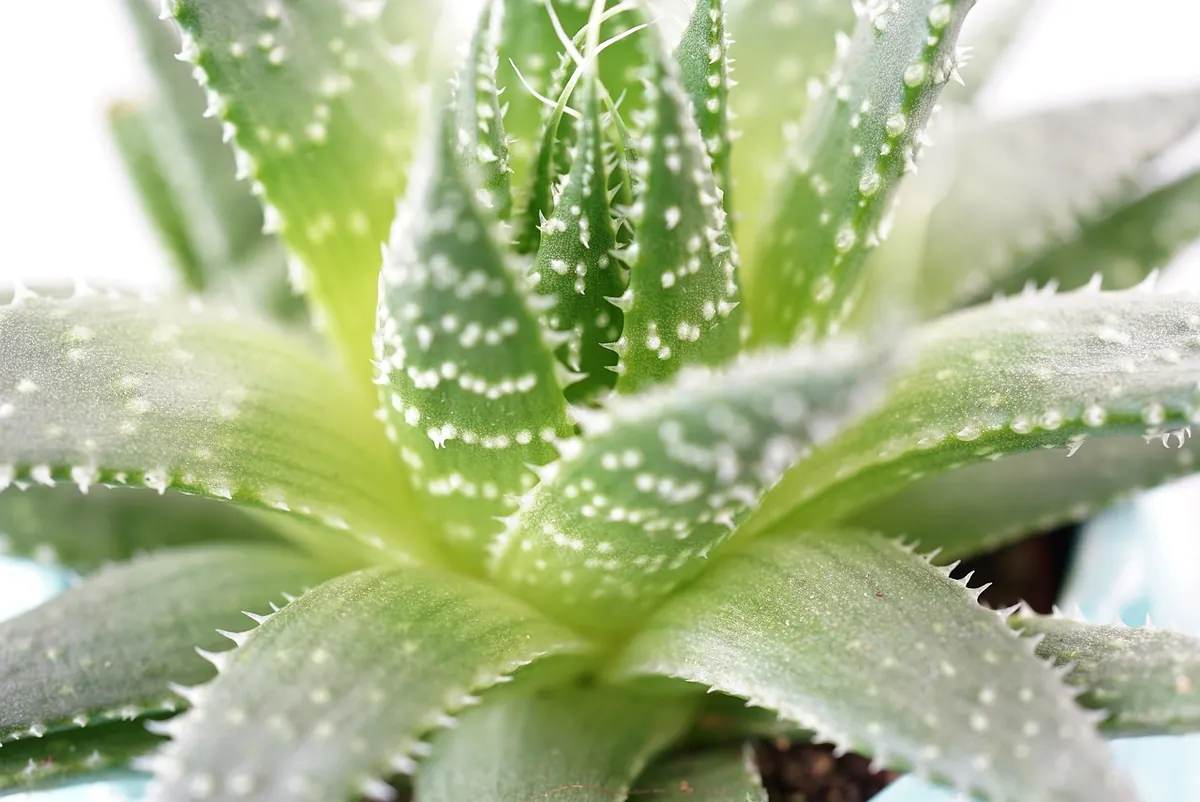
- Cacti and succulents: a gritty, free-draining mix, often multi-purpose with extra grit or perlite.
- Orchids: bark-based orchid compost, never multi-purpose.
- Houseplants in a dim corner: an airy mix with perlite. The compost matters less here than not overwatering.
Getting the best from any bag
Whichever you buy, a few habits make more difference than the label on the front.
- Check the drainage. Every pot needs holes and no standing water in the saucer. Skip the layer of crocks at the bottom — it raises the saturated zone rather than improving it, so compost straight into the pot works better.
- Leave a gap. Fill to about 2cm below the rim so there is room to water without it running straight off the surface.
- Firm gently. Settle the compost with your fingers, not your boot. Over-compacted mix loses the air pockets roots need.
- Feed from mid-season. Start liquid feeding four to six weeks after potting — weekly for hungry plants such as tomatoes and baskets, fortnightly for most others.
- Refresh annually. Empty and refill annual containers each spring. Do not reuse tomato compost for next year's tomatoes, because of disease build-up.
Choosing in the shop
If you want one bag for everything, buy a good multi-purpose and a bottle of liquid feed; between them they will carry most containers through a season. Add John Innes No.3 when a plant is going to sit in the same pot for years, and choose peat-free versions of either if you would rather garden without peat — just water with a little more attention and feed a little earlier. One last tip: open the bag and feel it before you commit. Fresh, crumbly compost that smells earthy, holds together when squeezed and breaks apart when poked is the stuff that grows good plants. Compost that is dusty, sour or full of twiggy lumps is not worth the bench space.
Photo: congerdesign / Pixabay
Related posts
More stories you’ll love reading