
Indoor Plants
10 Common Houseplant Mistakes That Kill Indoor Plants (and How to Fix Them)
September 14, 2026
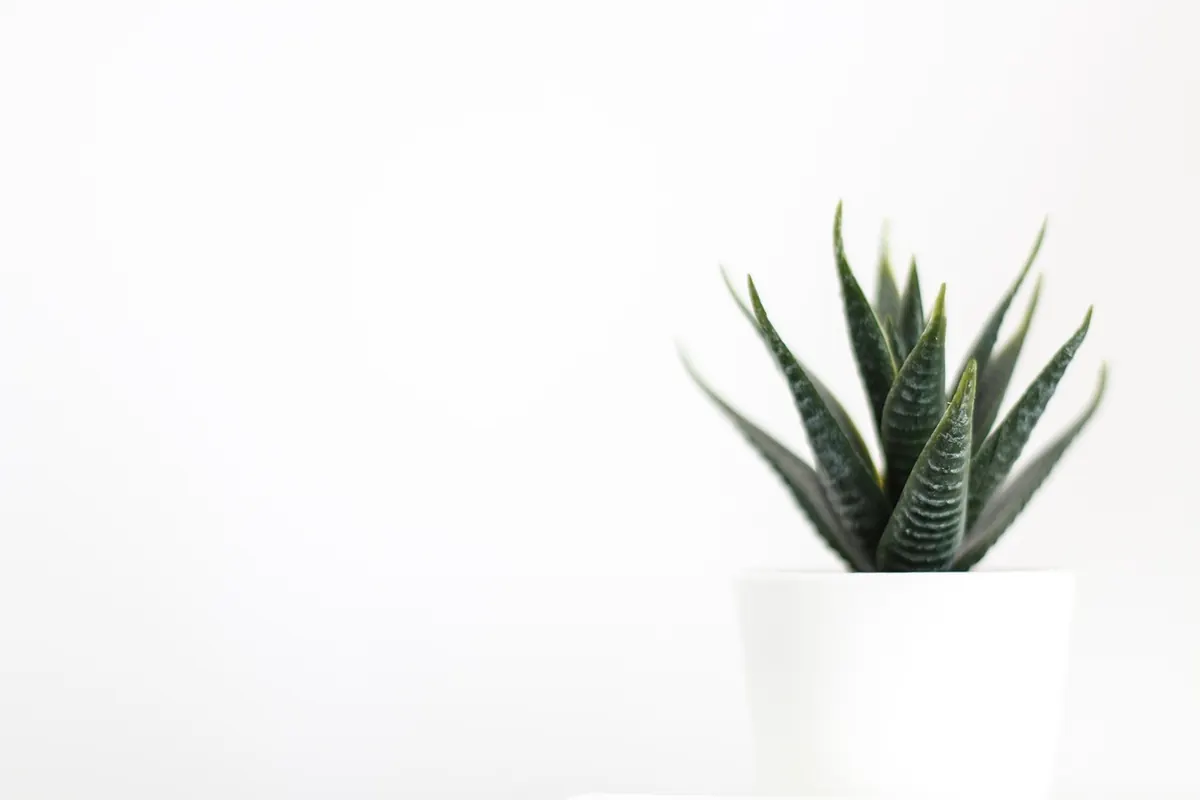
Most houseplants don't die of old age. They fade slowly — a yellow leaf here, a drooping stem there — and by the time the compost smells sour, the damage is well underway. The good news: almost every indoor plant lost in a British home dies from a short list of avoidable mistakes. Spot them early and most plants can be turned around.
Overwatering: the quietest way to kill a plant
An overwatered plant is suffocating rather than thirsty. Roots need air in the compost, and when those pockets stay filled with water for days, they rot. By the time the leaves look unhappy, the roots may already be brown and mushy.
Things to watch for:
- Lower leaves turning yellow and dropping at a touch
- Stems that feel soft or dark where they meet the compost
- Compost still damp a fortnight after watering
- Green mould on the surface, or a sour smell when you dig in
- Fungus gnats drifting around the pot
The fix: water only when the top two or three centimetres of compost are dry. A finger works, and a bamboo skewer pushed down to the base is even better. Water thoroughly until it runs out of the drainage holes, then tip away whatever collects in the saucer within half an hour. Never let a pot stand in water. Succulents, cacti, snake plants and ZZ plants want the compost to dry out almost completely between waterings.
Watering by the calendar rarely works
A fixed Sunday routine ignores light, warmth and pot size, so it is usually too generous in January and too mean in July. Check the compost instead, and let the plant decide.
Poor light: reading the room correctly
"Low light" is not the same as "no light". Most plants sold as shade tolerant will hang on in a dim corner, but they will not grow, and their compost stays wet for weeks because they are barely using any water.
Stretched, leggy stems, small pale leaves and a plant leaning hard towards the window all point to too little light. Scorched brown patches, bleached leaves and crisp edges suggest the opposite — usually a plant sitting directly behind south-facing glass in summer.
Move plants closer to a window, aim for a bright room rather than the back of a dark hallway, and pull them back from harsh midday sun. East and west windows suit most foliage plants. Turning pots a quarter turn each week keeps growth even instead of lopsided. If you are arguing with yourself about a particular corner, a basic light meter settles it quickly.
The wrong pot: drainage and size
The single worst offender is a decorative pot with no hole in the bottom. Water collects at the base, the lower roots sit in it, and rot follows. Either use a nursery pot inside a cachepot and lift it out to water, or empty the cachepot every single time.
Pot size matters just as much. Moving a small plant into a much bigger pot leaves a large volume of compost with no roots in it, and that compost stays wet. Go up by two or three centimetres of diameter at most. Terracotta wicks moisture through its walls and dries out faster, which suits succulents and plants that sulk when wet; glazed ceramic and plastic hold moisture for longer. Match the material to the plant rather than to the shelf it sits on.
Repotting and compost mistakes
Repotting is often done at the wrong moment, and in the wrong way. Signs a plant genuinely needs it include roots creeping out of the drainage holes, water running straight through the pot, and a top-heavy plant that topples. Otherwise, leave it alone.
When you do repot, use fresh compost rather than the old stuff, firm it gently instead of ramming it down, and do not bury the stem deeper than it was before. Newly bought plants are usually best left for a week or two to settle before being disturbed. An autumn or winter repot is a gamble; early spring is kinder, as growth is starting and the plant can recover.
Feeding: too much enthusiasm, too little patience
Houseplant fertiliser is not medicine. Feeding a plant that is struggling with poor light or soggy roots will not fix it, and too much feed burns roots and leaves a white crust on the compost surface. Brown leaf tips, or a plant that wilts despite damp compost, can both point to overfeeding.
Feed only while the plant is actively growing, generally spring to early autumn, and dilute to about half the strength on the label. If you suspect a build-up of salts, flush the pot with plenty of water and let it drain freely. In winter, most plants need nothing at all.
Pests and dust: the problems you can see
A layer of dust on the leaves blocks the light a plant needs to make its own food, so wipe glossy leaves with a damp cloth every few weeks, supporting each leaf with your palm as you go.
Then look underneath. Sticky residue on leaves or on the windowsill usually means sap-sucking pests such as aphids or scale. Fine webbing points to spider mites, which thrive in warm, dry air, while white cottony blobs are mealybugs. Wiping leaves with dilute soapy water and repeating every week or so usually brings a light infestation under control. Keep new plants away from the rest for a fortnight and inspect them before they join the collection — that one habit prevents most outbreaks. If you have pets, check whether a plant is safe for them before it comes indoors, and speak to your vet if you suspect a pet has chewed something unsuitable.
Rescue mode: a five-step plan
If a plant is clearly failing, work through this in order:
- Take it out of the pot and look at the roots. Firm and pale is healthy; brown, slimy and smelly is rot.
- Trim mushy roots with clean scissors, and cut back dead or yellowing leaves.
- Repot into fresh, free-draining compost in a pot that fits the remaining roots.
- Move it to the light level it actually wants, away from radiators and draughty doorways.
- Wait. Hold off feeding for a few weeks and water sparingly until you see new growth.
Not every plant can be saved, and a stem that has rotted right through is usually beyond help. But most struggling plants recover when watering, light and pot are corrected together, and the lesson tends to stick.
Kindness kills more houseplants than neglect. When in doubt, wait a day before reaching for the watering can.
Photo: MyloSpektor / Pixabay
Related posts
More stories you’ll love reading