


A yellow leaf low down on a pothos is usually nothing to worry about. Plants shed older foliage as they grow, and the odd dropped leaf is simply housekeeping. It is a different story when the yellowing spreads, when it appears on the newest growth, or when a plant you have had for two years drops three leaves in a fortnight. Something has changed, and the leaf is telling you what. Read the pattern first, then reach for the watering can.
Read the Pattern Before You Do Anything
Where the yellow appears matters as much as how it looks. A plant short of a mobile nutrient such as nitrogen or magnesium will move what it has to the new growth and sacrifice older leaves, so the yellowing starts low. A shortage of an immobile nutrient such as iron shows up first in young leaves near the top, often with green veins and yellow tissue between them.
Yellow on older, lower leaves
Normal ageing, overwatering, a nitrogen shortage, or a plant that has sat in the same compost for years.
Yellow on new growth
Usually a nutrient problem in the compost, occasionally cold damage or heavy feeding.
Patches, spots or mottling
Sun scorch, pest damage or a fungal issue — particularly if the patches have dark margins or feel soft.
Overwatering Is Behind Most Yellow Leaves
If the compost is wet more often than it is damp, roots cannot take up oxygen. They suffocate, then rot, and the plant cannot move water to its leaves however soggy the pot may be. Classic signs:
- Yellowing that starts on lower leaves and works upwards
- Compost that stays dark and wet for a week or more
- A sour smell when you lift the pot
- Soft, brown or black stems near the compost line
- Fungus gnats hovering over the surface
- A pot that still feels heavy days after watering
Stop watering and let the top 3cm dry out before you water again. Empty the saucer ten minutes after watering, never leave the pot standing in water, and check that a tight cachepot is not blocking the drainage holes. If stems are mushy, tip the plant out, cut away dead roots with clean scissors, and repot into fresh compost in a pot only slightly larger than the rootball. Water sparingly for a fortnight.
Underwatering and Dry Air
A thirsty plant usually shows crispy brown tips and edges alongside the yellow, and the leaves may curl inwards or feel papery. The compost pulls away from the sides of the pot and the pot feels light as a biscuit. Water slowly from the top until it runs through, or stand the pot in a bowl of water for twenty minutes and let it drain. Plants near radiators dry out faster than you expect, so check every few days in summer.
Light Stress in Both Directions
Too little light produces pale, washed-out yellow leaves, long gaps between leaves, and a plant that leans towards the window. Move it closer to the glass — a metre can make a real difference — and rotate it a quarter turn each week so it grows evenly.
Too much direct sun bleaches leaves, leaving pale patches with dry brown edges on the side facing the window. A monstera behind glass in a south-facing room will scorch by June. Move it back, or hang a sheer curtain; filtered light suits most foliage plants.
Nutrients, and Compost That Has Gone Stale
Yellowing between the veins, especially on older leaves, often points to a hungry plant. In spring and summer, feed with a balanced houseplant fertiliser at half the stated strength every two to four weeks. Do not feed in winter when growth has stopped — salts build up in the compost and burn the roots. If white crusts appear on the surface or the pot rim, flush the compost with tepid water and let it drain thoroughly.
Compost loses structure and nutrients over time. Repot most houseplants every year or two in spring, into a mix with plenty of bark or perlite. If you have just repotted into fresh compost, skip the feed for six weeks.
Pests and Rot
Turn a suspect leaf over and look with a torch. Fine webbing and pale stippling means spider mites, which thrive in warm, dry air. Cottony white clusters in the leaf joints are mealybugs; small brown bumps along the stems are scale. Thrips leave silvery streaks and tiny black specks. Fungus gnats are a symptom of permanently wet compost rather than a cause of yellowing itself.
Isolate the plant, wipe the leaves with a damp cloth and a drop of mild washing-up liquid, and repeat weekly until nothing returns. Yellow sticky traps help with flying pests. If stems are black, soft and smelly, you are dealing with rot rather than an insect — cut back to firm, healthy tissue and treat it as an overwatering problem.
A Five-Minute Diagnostic Checklist
- Lift the pot. Heavy means wet, light means dry.
- Push a finger 3cm into the compost. Damp, wet or bone dry?
- Note where the yellow leaves sit — top, bottom or scattered.
- Inspect the undersides of three or four leaves for pests.
- Check the light: how far is the plant from the window, and which way does it face?
- Ask what changed in the last month — a move, a repot, a new radiator, a cold snap.
- Change one thing, then wait two weeks before changing another.
Getting the Plant Back on Track
Snip off leaves that are fully yellow, since they will not turn green again, but leave partially yellow ones in place until the plant has recovered — they are still feeding it. Keep conditions steady, water only when the top of the compost is dry, and resist the urge to feed or repot in winter. Most houseplants recover within a few weeks during the growing season; in a dark January they may sit still until spring, and that is perfectly normal.
If a prized plant is struggling, take a cutting as insurance before you start experimenting. A pothos or tradescantia cutting roots in a glass of water within a fortnight, so you will not lose the plant even if the parent does not pull through.
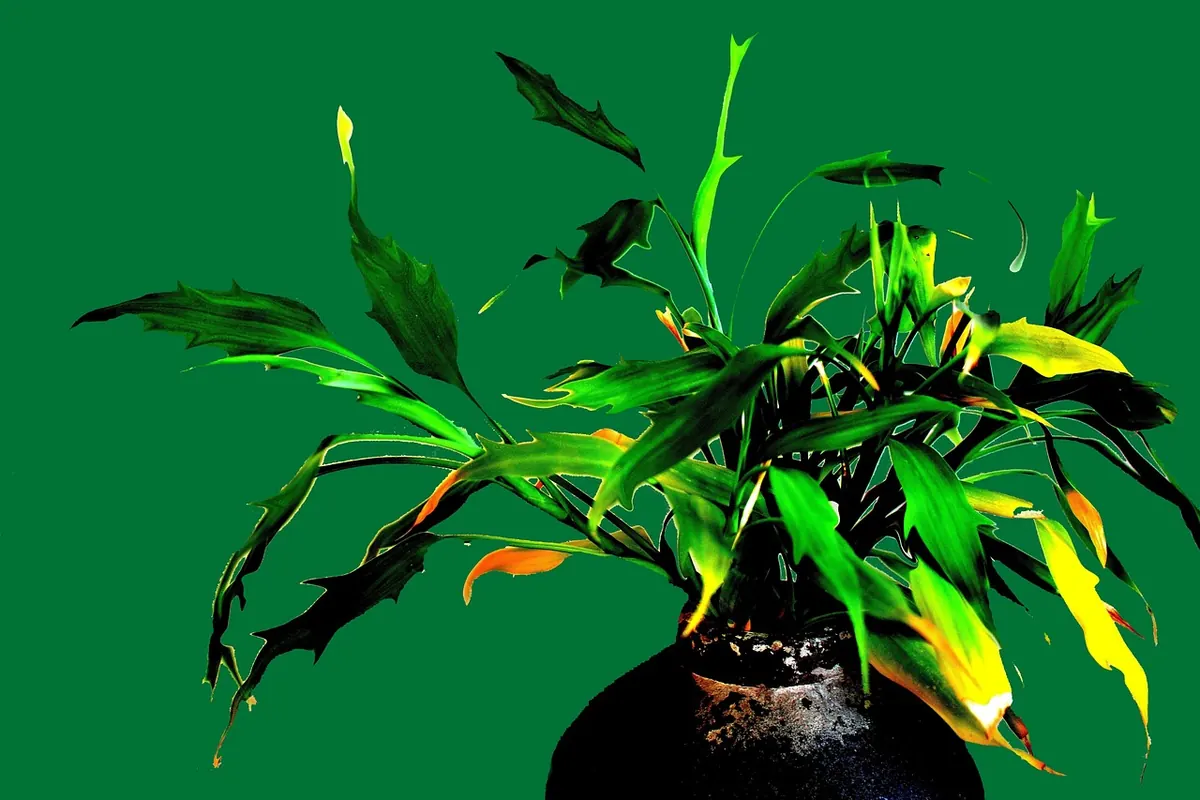
Photo: terimakasih0 / Pixabay
Related posts
More stories you’ll love reading